I'm Vihasa Govada, a psychiatrist expanding from clinical practice to systems-level impact. I'm building expertise at the intersection of AI safety, effective altruism, and healthcare systems to address challenges that scale beyond individuals.
You might be wondering: why is a psychiatrist trying to break into AI safety and healthcare systems work? Fair question. I don't have a CS PhD or years of EA experience. What I do have is a track record of identifying systems-level problems and building solutions that work. I co-led the organizing effort that unionized 3,000 residents across 6 hospitals. I taught myself design software and published a 61-page yearbook in 2 months. I created a podcast from scratch with zero audio experience. The pattern: I learn what I need to execute, and I ship. That's the capability I'm bringing to this work.
CHAPTER 1
What Clinical Work Teaches
I practice psychiatry part-time, which keeps me grounded in the problems I'm trying to solve at scale. Clinical work taught me that the hardest challenges are not medical. They are about systems, incentives, and coordination.
In residency, I watched excellent clinicians spend hours fighting systems that made good care harder. The problem was not lack of skill or effort. It was structural. That is when I realized some problems cannot be solved one patient at a time.
Four years of residency taught me:
How humans decide under uncertainty — relevant to AI alignment and policy design
How to communicate complex ideas to non-experts — teaching students, explaining diagnoses, translating between teams
How systems can harm at scale — even with good individual actors, broken incentives create suffering
Why institutional change requires more than individual excellence — I watched talented people burn out fighting inefficient systems
CHAPTER 2
The Turning Point
Over the years, I kept gravitating toward work that reached people at scale. Organizing residents across hospitals. Building STEM programs for 100+ girls. Creating a podcast that could help thousands of residents navigate challenges, rather than advising people one by one.
Clinical work is important. Patients need this care and they do change. But it felt smaller-scale than the kind of impact I wanted to make.
I had briefly encountered effective altruism years ago. This time, I dove in: attending conferences, meeting people, reading extensively about strategic impact and cause prioritization.
EA gave me language for what I had been feeling intuitively. Three principles resonated deeply and now guide my thinking:
Evidence-Based Impact
Medical training taught me to demand evidence before changing treatment. EA applies that same rigor to global problems. Some interventions have 10x or 100x more impact than others. I cannot unsee this now.
Cause Prioritization
In medicine, we triage. We don't order tests unnecessarily. There is a reason to do what we do, and a reason to not do what we do. EA applies this logic to choosing which problems to work on. Some problems matter more because they are solvable now or affect more people or have long-term consequences.
Long-Term Thinking
Most medical training focuses on the patient in front of you today. EA asks: what about suffering 100 years from now? That is why AI safety and institutional design matter to me. The decisions we make now about AI governance and healthcare systems will affect billions of people. I care about work that makes a difference now for the long-term cause.
I'm newer to the EA community but deeply committed to its principles.
CHAPTER 3
Learning to Build
I build solutions by identifying problems, rallying people, and shipping something real. My track record includes projects that required learning new skills from scratch and coordinating people around shared goals.
Major projects taught me I am most effective when working on problems that require coalition building, technical learning, being strategic, and execution:
The pattern across all these: I thrive when building solutions to systemic problems, not just responding to individual cases. I learn what I need to execute, coordinate people with different expertise, and ship something that works.
CHAPTER 4
What I'm Building Toward
I'm drawn to roles that involve strategic thinking, program building, stakeholder coordination, and execution to create visible impact at scale. I want work where I can see what I built and know it's making a difference. So, over the past few months, I've been building foundation in this space:
EA Connect 2025 Conference (25+ hours, 50+ connections exploring career paths)
SPAR Demo Day 2025 (CivAI, Kairos, Coefficient Giving)
High-Impact Medicine Career Planning Fellow (Nov 2025 - Jan 2026)
Completed BlueDot Impact's Future of AI course (Dec 2025)
Completed "How to Actually Change the World" course (Nov 2025)
What I'm exploring
AI Safety & Governance
Work that helps people understand AI risks and build better systems: teaching safety concepts to broader audiences, running exercises or red-teaming, building training programs, doing strategic research, or learning forecasting.
EA Operations & Strategy
Supporting high-impact organizations through project management, strategic planning, research synthesis, or program coordination. I'm good at identifying what needs to happen, coordinating stakeholders, and making sure things get done.
Healthcare Informatics
Systems-level improvement in healthcare settings that use my medical background while moving beyond 1:1 patient care. These roles could also be a practical transition while building toward AI safety work, giving me experience with technology implementation and workflow optimization.
How I can contribute
AI Safety & Governance
I can translate between technical and non-technical stakeholders, understand how institutions make decisions under uncertainty, and coordinate complex multi-stakeholder initiatives. I learn technical concepts quickly enough to work effectively with engineers.
EA Operations & Strategy
I identify systems-level problems, develop solutions backed by evidence, coordinate diverse stakeholders, and execute under constraints. I can synthesize research and communicate it clearly, have a track record of building programs, and am willing to learn whatever skills are needed to contribute effectively.
Healthcare Informatics
I have clinical credibility, recent hands-on experience with multiple EHR systems, technical fluency, and experience implementing change in healthcare institutions that resist it. I understand workflow pain points because I lived them recently.
Let's Connect
Ready to discuss how my background could contribute to your organization?
A chronological view of my training and key projects. For more detail and context, see the other pages.
2013-2017
Duke University
B.S. in Biology, cum laude | Minor in Chemistry
Key Projects:
Program Director and Summer Camp Director, FEMMES STEM Outreach (2015-2017) Organized programs reaching 100+ middle school girls, co-organized Capstone event with 200 participants
Built technical projects: Advance Directive website, file compression algorithm, text generation system
CS coursework: Data Structures and Algorithms (Java), Engineering Computing (MATLAB)
2017-2021
Florida Atlantic University Schmidt College of Medicine
Doctor of Medicine
Gold Humanism Honor Society (2020) | Ticho Prize of Psychiatry (2020)
Key Projects:
Curriculum Representative, Class of 2021 Student Council (2019-2021)
Designed and published 61-page medical school yearbook (2021) Self-taught Adobe InDesign, coordinated logistics, delivered 200+ copies
Community health research in underserved populations
2021-2025
Thomas Jefferson University - Psychiatry Residency
Psychiatry Residency Training
Major Projects:
Union Organizing (2022-2025): Co-led organizing committee at Jefferson (grew from 3 to 50+ members). Part of Philadelphia's first city-wide resident unionization representing 3,000 residents across 6 hospitals. Our unit voted 552-73.
Beyond the Call Room Podcast (2024-2025): Created 6-episode podcast on resident wellness. Taught myself audio production, managed all aspects from guest booking to distribution.
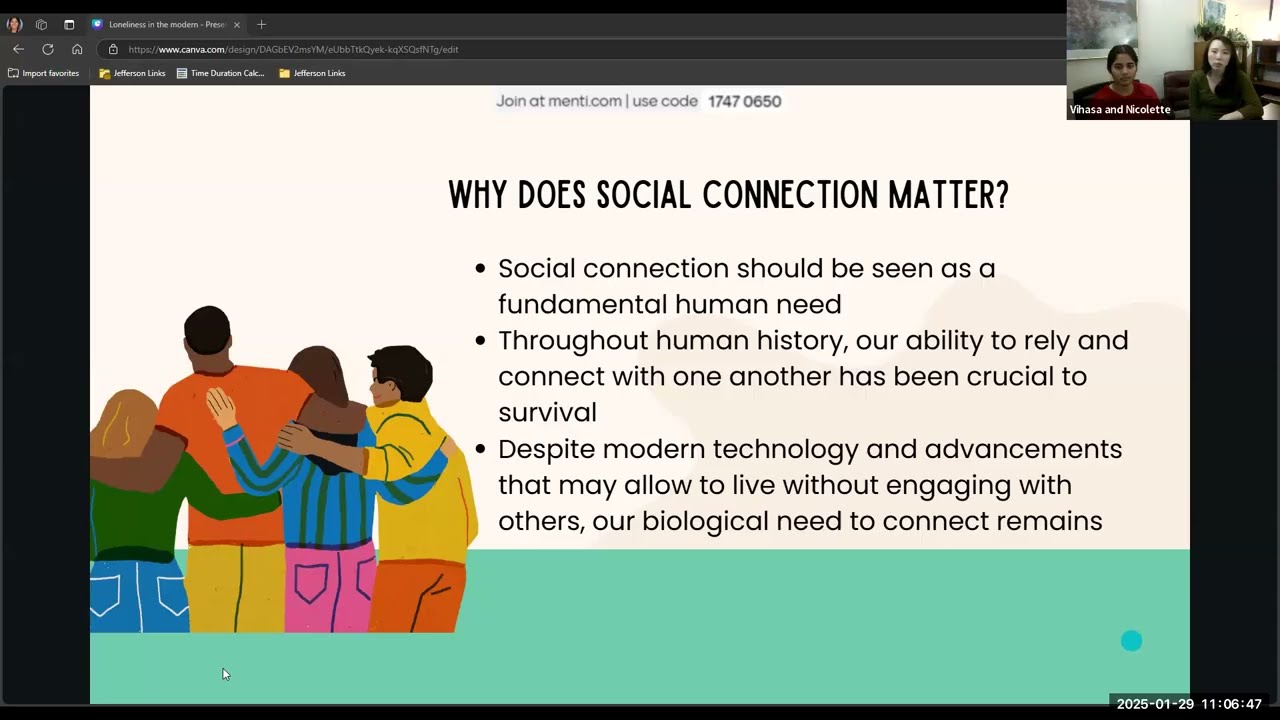
Grand Rounds Presentation (Jan 2025): "The Silent Epidemic: Understanding Modern-Day Loneliness" - presented to 100+ clinicians
Recognition: Recognized in residency by Gold Humanism Honor Society as resident who made greatest impact on medical students (2023)
I split my time between clinical psychiatry and building towards systems-level change. I am drawn to problems at the intersection of evidence, ethics, and impact: AI safety, healthcare systems, long-term thinking about technology and human wellbeing.
What Drives Me
I learn by building
I taught myself audio production to make a podcast. I had never organized a union but figured it out. I taught myself Adobe InDesign to publish a yearbook in 2 months. When I see a problem worth solving, I learn whatever skills are needed and ship something.
I think systematically about complex problems
Clinical training taught me how institutions make decisions, how systems can harm even with good intentions, and why individual excellence is not enough to fix broken incentives. I cannot unsee this now.
I care about doing the most good
Effective altruism gave me language for what I felt intuitively: impact requires evidence, prioritization, and long-term thinking. I'm newer to the EA community but deeply committed to its principles.
What I'm Like to Work With
I ask a lot of questions (psychiatrist habit).
I ship things, even if imperfect. Better to build and iterate than wait for perfect.
I translate complex ideas for non-experts. I have practice explaining medical concepts to patients, technical concepts to clinicians, and strategy to diverse stakeholder groups.
I care about getting it right, not being right. I change my mind when I see better evidence.
I am comfortable with ambiguity and structured thinking. I can work in uncertain environments while building frameworks to make progress.
My Counterfactual Impact
Most people working on AI safety are not trained in human cognition and behavior. Most physicians are not required to have technical skills. Most people building healthcare systems are not thinking about EA impact.
I sit at the intersection. I can translate between clinical medicine and technology, understand how healthcare institutions actually make decisions, and apply EA principles to problems that need both medical insight and systems thinking.
The value I bring is not that I am the best at any single thing. It is that this specific combination of skills is rare, and some problems need exactly this unusual background to solve them well.
Beyond Work
Currently learning: AI safety and alignment research, exploring governance frameworks, building technical fluency in areas relevant to high-impact work
Interests: Rock climbing, tennis, origami, indoor plants, Korean dramas
Languages: Fluent in Telugu
Let's Chat
I'm always happy to discuss EA, career transitions, psychiatry, building 0→1 projects, AI safety, or anything else on this website.
These projects showcase my capacity and propensity for systems-level work, with technical problem-solving, stakeholder coordination, research synthesis, and shipping solutions from 0 → 1. Each taught me to identify leverage points, build coalitions, and execute under constraints.
Beyond The Call Room Podcast
I taught myself audio production and created a 6-episode podcast exploring challenges medical residents face.
What I learned: 0→1 creation, technical learning, communication
← Scroll →
Welcome - Beyond the Call Room
3 min • Trailer
Welcome and overview of the series.
So You Want To Start Therapy
28 min • Episode 1
Practical steps and expectations for beginning therapy.
How to Get Disability Insurance — Part 1
25 min • Episode 2
Understanding options and terminology (Part 1).
How to Get Disability Insurance — Part 2
20 min • Episode 3
Policy details and application tips (Part 2).
Sleep Hygiene on Busy Rotations
34 min • Episode 4
Practical sleep strategies for trainees.
How to Freeze Your Eggs
40 min • Episode 5
Medical and logistical considerations.
How to Give Feedback
36 min • Episode 6
Strategies for effective feedback in clinical settings.
Audio ProductionStorytellingAdobe Audition
Unionizing 3,000 Residents
Led Philadelphia's first city-wide resident unionization campaign across 6 hospitals. Vote: 552-73.
What I learned: How to build coalitions, navigate institutional resistance, and execute grassroots campaigns at scale.
Campaign Overview
As a lead co-organizer, I coordinated a 2-year unionization campaign that brought together 3,000 medical residents across Philadelphia's hospital systems. This was the first city-wide effort of its kind.
Key Responsibilities
Recruited and trained a volunteer organizing committee of 40+ resident leaders in my residency
Developed messaging strategy addressing resident concerns about working conditions, patient safety, and institutional support
Coordinated outreach across 6 hospitals with different cultures and leadership structures
Navigated legal requirements and institutional pushback throughout the campaign
Maintained momentum through a 2-year timeline from launch to election
Results
The campaign resulted in a decisive 552-73 victory for our unit, establishing collective bargaining rights for residents across all participating institutions. This created a sustainable structure for addressing systemic issues in graduate medical education.
Skills Demonstrated
Coalition building: United stakeholders with competing interests around shared goals
Strategic communication: Tailored messaging for diverse audiences (residents, hospital administration, media)
Project management: Coordinated complex multi-site operation with strict legal and timeline constraints
Resilience under pressure: Maintained focus despite institutional resistance and high stakes
Presented 45-minute research synthesis to 100+ clinicians at Thomas Jefferson University Hospital.
What I learned: Individual therapy has limits—systems matter more.
Presentation Highlights
Synthesized research from public health, urban planning, and clinical literature
Presented loneliness as a structural problem, not individual pathology
Proposed upstream interventions at community and policy level
Shifted department conversation toward systems-level solutions
Research SynthesisPublic SpeakingSystems Thinking
Yearbook Design
Designed and published the yearbook using Adobe InDesign. Coordinated 50+ contributors and delivered 200+ copies.
What I learned: How to ship creative projects on tight deadlines.
← Scroll →
Opening Spread
Student Profile Pages
Events & Activities
Typography & Layout Design
Closing Spread
Closing Spread
Adobe InDesignDesignProject Management
STEM Outreach
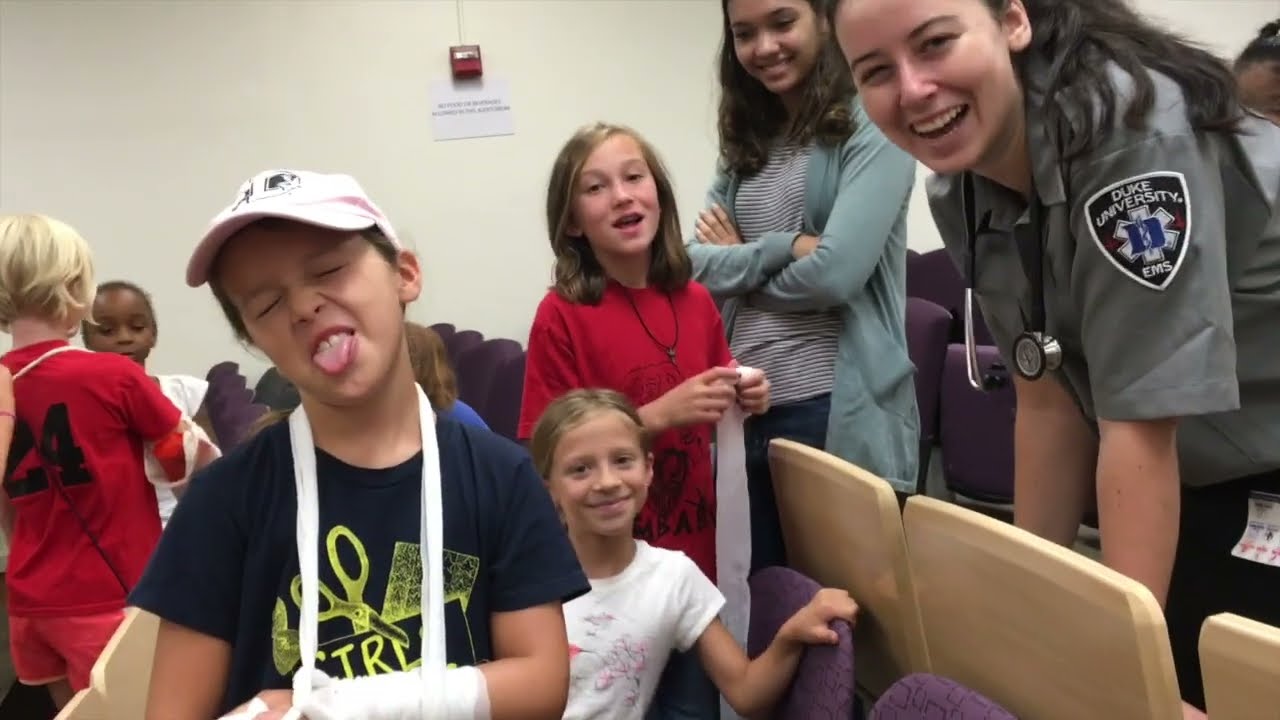
As Program Director and Summer Camp Director at Duke, organized STEM outreach events for 50+ middle school girls. Built school partnerships, recruited volunteers, secured funding.
What I learned: How to build programs from scratch with limited resources. How to make technical fields accessible to newcomers.
Role & Responsibilities
Program Director — Oversaw all chapter operations and event planning
Summer Camp Director — Designed and led week-long STEM camp for middle school girls
Partnership Building — Coordinated with local schools and organizations
Volunteer Management — Recruited and trained 20+ undergraduate volunteers
Fundraising — Secured funding for materials and event costs
Impact & Outcomes
50+ middle school students reached through events and programs